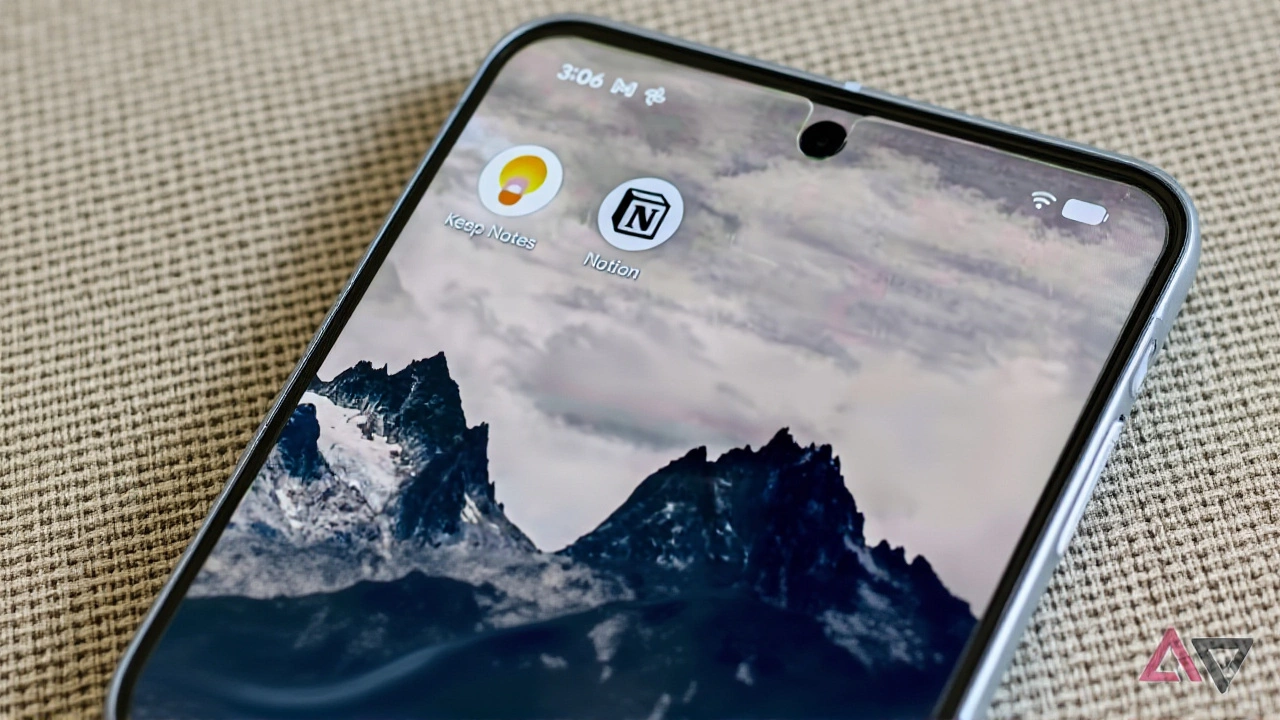
It turns out the secret to fixing a chaotic digital life isn’t working harder—it’s just picking the right tool. An unnamed writer for Android Police recently shared a relatable confession: they finally cured their messy note-taking habit by ditching Google Keep in favor of Notion. The result? A system that actually works.
The author didn’t mince words about the transition. "With Notion, I can finally organize my notes properly," they wrote. It’s a simple statement, but it highlights a massive pain point for millions of knowledge workers and students who feel like they’re drowning in sticky notes they never read again.
The Problem with Digital Sticky Notes
Here’s the thing about Google Keep: it’s fantastic for quick captures. You see a recipe, snap a photo, boom—it’s saved. But as your collection grows, it becomes a digital junk drawer. There’s no hierarchy. No folders. Just a wall of colorful cards that slowly lose their context.
The Android Police piece frames this as a before-and-after story. In the "before" phase, the author’s workflow was reactive and scattered. They were capturing information but not connecting it. The "after" phase, powered by Notion’s database capabilities, allowed them to structure that chaos into something retrievable. It’s the difference between throwing receipts into a shoebox versus filing them by month and category.
This isn’t just one person’s opinion. Experts in productivity consistently point out that disorganization stems from a lack of structure, not just bad habits. As noted in related guides from Evernote, cognitive overload often leads to sloppiness. When you don’t have a coherent outline or system ready, your brain dumps everything indiscriminately, resulting in cluttered, useless notes.
Structure Over Speed: The Cornell Method
While switching apps helps, the real magic happens when you combine the right tool with the right method. One of the most cited techniques for fixing messy notes is the Cornell method. Developed at Cornell University, this system divides your page (or digital document) into three sections: cues, notes, and a summary.
According to educational resources like those from Knowt, this method forces you to process information actively rather than transcribing it passively. Instead of writing down every word a lecturer says, you focus on key concepts and main ideas. Then, you create cues in the margin and write a brief summary at the bottom.
"The goal is to make notes work for you," explains the Knowt blog. By using headings, bullet points, and diagrams, you break complex information into digestible pieces. This approach reduces the "messiness" because every piece of data has a designated home. If you’re trying to apply this in Notion, you can use toggle lists for cues and separate blocks for summaries, mimicking the physical layout digitally.
Why Tools Like Notion Win
So why did Notion win over Google Keep for the Android Police writer? It comes down to flexibility. Notion allows you to build custom databases, link pages together, and view your notes in different layouts (table, board, calendar). This means your notes aren’t isolated silos; they’re part of a connected knowledge graph.
Consider the advice from a popular YouTube creator on building note-taking habits. They emphasize asking "why" you are taking notes. Are you learning intentionally? Reflecting? Or capturing random ideas? Different contexts require different tools. For deep learning, they prefer Obsidian on a laptop. For reflection, handwriting. For random ideas, whatever is handy.
Notion sits comfortably in the "intentional learning" and "project management" categories. It lets you start small—a common mistake people make is trying to build their entire system overnight. The YouTube creator warns against perfectionism, noting that your notes will change as your goals change. Notion’s modular nature makes it easy to iterate without starting from scratch.
The Human Element: Active Recall
Even the best software can’t save you if your technique is passive. Social media creators, including TikTok user @jun_yuh and Instagram educators, stress that highlighting text and hoping for the best doesn’t work. Passive reading is a trap.
Instead, experts recommend active recall. After class or a meeting, spend 10 minutes reviewing your notes. Try to recall key concepts without looking. This strengthens memory retention and helps identify gaps in understanding. If you’re using Evernote, features like Document Scanning and Online Recorder can help digitize handwritten notes or capture audio for later review, but you still need to engage with the material actively.
The Android Police writer’s success story underscores a broader truth: technology is an enabler, not a cure. Switching from Google Keep to Notion provided the structure, but the commitment to organizing thoughts properly provided the results. It’s a reminder that while we chase the next big app, the fundamentals of clear thinking and structured capture remain unchanged.
Frequently Asked Questions
Is Notion better than Google Keep for students?
For students needing deep organization, yes. Google Keep is great for quick reminders, but Notion allows for hierarchical structuring, linking between topics, and database views that mirror syllabi or project timelines. This helps reduce the "digital junk drawer" effect where important lecture notes get lost among grocery lists.
What is the Cornell note-taking method?
The Cornell method divides your page into three sections: a narrow left column for cues/questions, a wide right column for detailed notes, and a bottom section for a summary. This structure encourages active processing of information during lectures and efficient review later, making it highly effective for both academic and professional settings.
How do I fix messy handwritten notes?
Start by outlining before you write to reduce cognitive overload. Use consistent formatting like bullet points and headings. Tools like Evernote’s Document Scanning can digitize these notes for searchability. Additionally, practicing regular handwriting improves legibility through muscle memory, while post-class review helps clarify scribbles while the content is fresh.
Why do experts recommend active recall over highlighting?
Highlighting is a passive activity that creates an illusion of competence without deep engagement. Active recall involves testing your brain by retrieving information from memory, which strengthens neural pathways. Experts suggest spending 10 minutes after class recalling key points without looking at notes, which significantly improves long-term retention compared to passive re-reading.
Can I use Notion for free?
Yes, Notion offers a robust free plan for personal use that includes unlimited blocks and pages. While there are limits on file uploads and version history compared to paid plans, the core organizational features—databases, linked pages, and templates—are fully accessible, making it a viable replacement for simpler tools like Google Keep for most individual users.